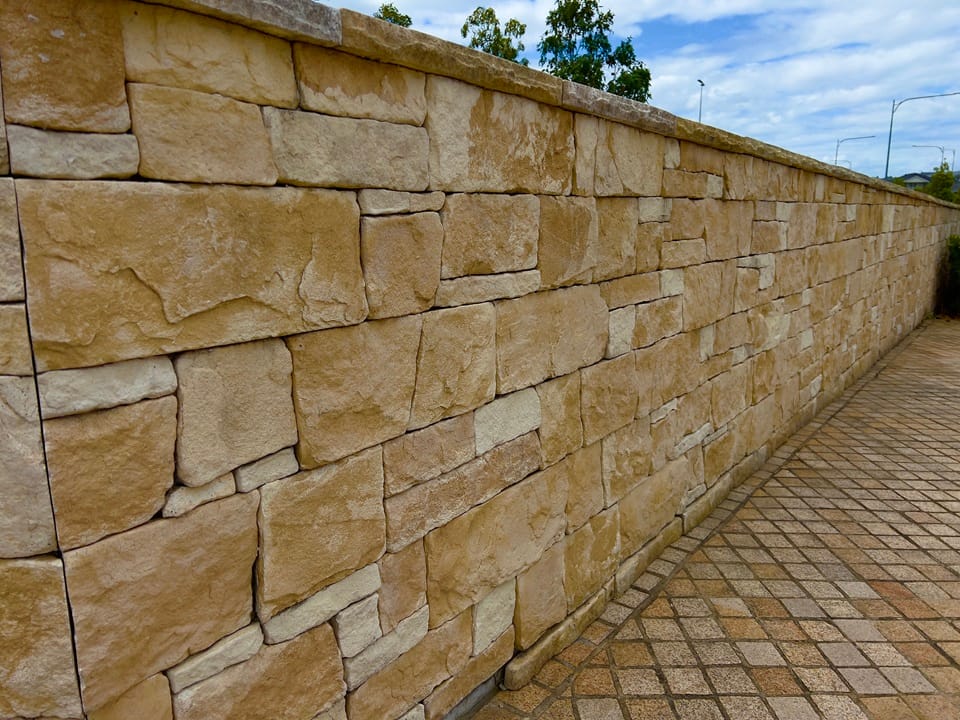
We provide custom stone masonry in Germantown, TN for homeowners who want lasting beauty and strength. Our masons design and build stone walls, entryways, fireplaces, and patios using natural and manufactured stone. From rustic stacked stone to formal cut stone, we tailor every project to fit your home and landscape.
Germantown Masonry provides professional stone masonry throughout Germantown, TN, Tennessee and the surrounding area. Our licensed, insured crew delivers safe, clean, on-time work with a free estimate before anything begins. Call (901) 567-2004 or request your free quote.
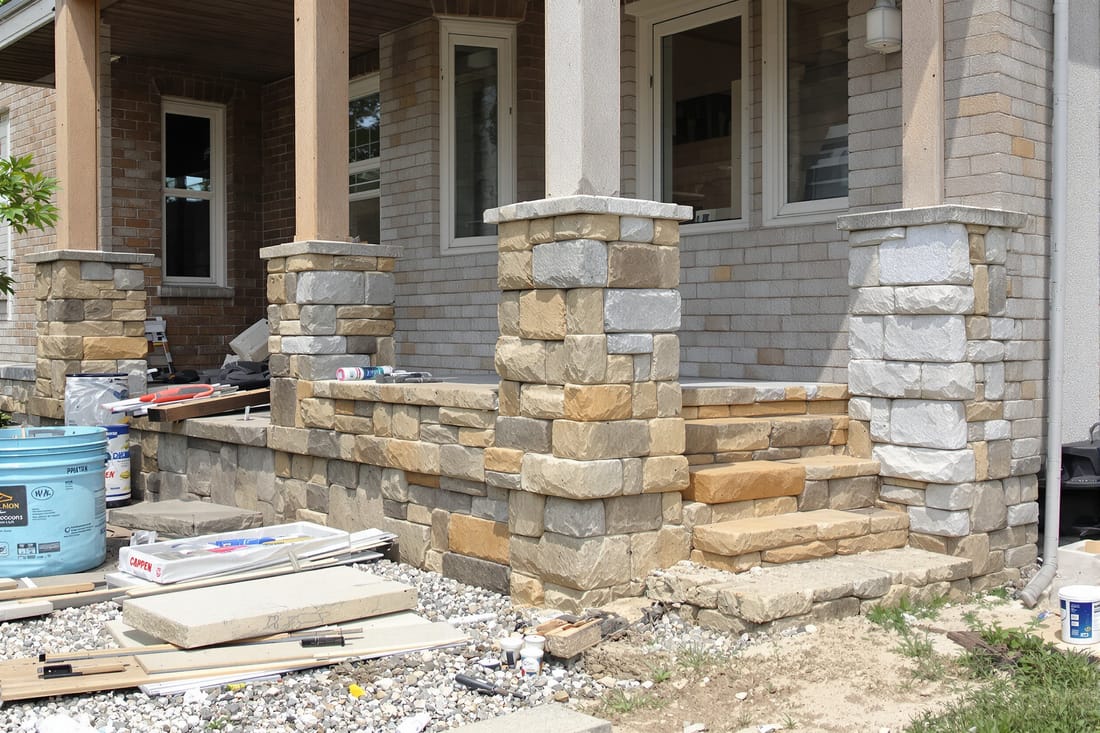
Stone Masonry for Germantown Homes and Businesses
Stone masonry is one of the best ways to get a solid, long‑lasting structure that still looks natural and high‑end. At Germantown Masonry, we focus on practical, buildable designs that stand up to West Tennessee weather and local soil conditions. Whether you want a stone porch, entry columns, a backyard seating wall, or a full veneer on your house, we match the style you like with materials that can actually handle our hot summers, wet springs, and occasional freezes.
Most of our stone projects in Germantown fall into a few main categories: outdoor living areas, front entry upgrades, retaining walls, and home veneer. Outdoor work typically uses thicker stone that can take more abuse from traffic and furniture. Veneer work uses thinner stone that ties back into the wall structure. We walk you through those differences up front, so you do not pay for heavy structural stone where you do not need it, and you do not end up with a thin decorative product where strength really matters.
We also spend time up front talking about how you actually live on the property. For example, if your kids and dogs will be running across a stone patio in bare feet, we avoid highly textured or sharp‑edged products and suggest a flatter surface with tighter joints. If you have a lot of shade from mature Germantown trees, we talk about stone choices and joint details that handle moss, leaf staining, and higher moisture without becoming slick or breaking down early.
Choosing the Right Stone and Layout for Your Project
Germantown Masonry works with both natural stone and manufactured stone, and each has its place. Natural stone, like Arkansas fieldstone, Crab Orchard flagstone, or Tennessee limestone, gives you a one‑of‑a‑kind look with varied colors and textures. It is heavier and usually costs more in both material and labor, but it holds up extremely well outside and looks better with age. Manufactured stone veneer, often called “cultured stone,” is lighter and can be easier to install on existing walls, especially around entries, fireplaces, and outdoor kitchens.
We help you decide using real samples, not just catalog pictures. For patios and walkways we typically look at flagstone or cut dimensional stone. Flagstone is irregular and has a more rustic look. Dimensional stone is cut into uniform rectangles or squares, which can suit a more formal Germantown subdivision home or a cleaner modern design. For walls, we talk about whether you want a random ashlar pattern, a more stacked look, or large blocky stones. The pattern has a direct impact on labor time and cost because tight joints and more complex layouts take longer to set correctly.
Thickness and size also matter. Thin veneer (around 1 to 2 inches thick) works for covering existing brick or block when we can mechanically fasten and mortar it to a stable backing. Full‑bed stone (often 3 to 6 inches thick and heavier) is used when we are building new walls or columns with structural backing. Larger stones reduce the number of joints but require more equipment and labor to handle. In tight Germantown backyards, access can affect what we can safely move to the work area, which is another factor we go over during the estimate.
Color is not just about taste. Light stones stay cooler under the summer sun, which matters on south‑facing patios or pool decks. Darker stones show less dirt in front walkways and driveways. We also look at how the stone will work with your existing brick, trim, and roof, since many Germantown homes already have some combination of brick and siding. Our goal is to add stone so it looks like it has been there since the house was built, not like an afterthought.
How We Build Durable Stone Masonry in Germantown
The quality of a stone job depends just as much on what is under and behind the stone as it does on what you can see. For flatwork like patios and walkways, Germantown Masonry starts by excavating to a proper depth, typically 6 to 8 inches below finished grade. We then compact the subgrade and install a crushed stone base in layers, compacting each lift. This is especially important in our area because Germantown’s clay soils shrink and swell with moisture, which can cause stone to settle and crack if the base is weak.
Once the base is ready, we either set stone in a mortar bed over a concrete slab, or dry‑lay the stone over compacted aggregate with polymeric sand or mortar in the joints. Mortared stone over concrete is more rigid and better for areas with a lot of heavy furniture or grill islands. Dry‑laid systems allow a little movement and are easier to repair if a section ever needs to be lifted. During installation, we pay close attention to slope so water sheds away from the house and does not pool on the surface, which helps prevent icing and surface breakdown in winter.
For stone walls and veneers, we begin with the structure. On new work, that usually means a concrete footing below frost depth, sized to support the weight of the wall. On existing homes, we check the condition of the brick, block, or framing that will carry the stone. We install metal lath, ties, or anchors as needed so the stone has a mechanical connection to the structure, not just a skin held by mortar. This is especially important on taller entry walls and around garage openings where vehicles and doors can cause vibration over time.
During the stone setting phase, we “back butter” each piece with mortar and press it firmly into place, tapping and leveling as we go. For natural stone, we often need to trim and shape pieces with a saw or chisel so they fit tightly without hairline slivers of stone, which can pop off later. Joints are then packed with mortar, tooled, and brushed to the finish you choose, from tight joints that almost disappear to deeper raked joints that highlight the stone edges. Throughout the process we clean as we go, so mortar does not stain the stone face.
What Affects Cost and Timeline for Stone Masonry
Customers in Germantown often ask why stone pricing varies so much from job to job. The two biggest drivers are labor time and access. Complex patterns, tight joints, or irregular natural stone take more time to fit and set than uniform blocks or manufactured stone. If we can move pallets and materials close to the work with a small loader, labor stays lower. If we have to hand‑carry stone through a side gate, around a pool, or across soft ground, the job takes longer and costs more.
The base or structure is another cost factor. If an old concrete patio has settled or cracked badly, it often costs less in the long run to remove and rebuild the base than to try to set stone over a failing slab. For retaining walls, we must size the footing and drainage to handle the height and soil pressure, especially on sloped Germantown lots. Skimping on drainage, like leaving out weep holes or drain pipe and gravel backfill, might save money up front, but it usually leads to bulging or cracking walls within a few years.
Material choices also affect cost. A premium imported flagstone will be more expensive than a regional stone. Manufactured stone veneers often cost less in labor but can be similar in material cost once you add the proper lath, scratch coat, and trims. During the estimate, Germantown Masonry breaks these pieces out separately so you can see where your money is going and decide what matters most to you, whether that is a specific look, long‑term durability, or staying within a tight budget.
Scheduling is tied to weather and curing time. Mortar and concrete need certain temperature ranges to cure right. In Germantown summers, we sometimes start earlier in the day or set up shade to keep materials from drying too fast. In colder snaps, we may need to tent and protect work or adjust the schedule to avoid freeze‑thaw damage to fresh mortar. We explain this before the project starts so you know how weather might affect start dates and completion.
Common Local Issues and How Germantown Masonry Handles Them
Stone masonry in West Tennessee deals with a few recurring problems, and we design around them. Ground movement from clay soils can shift patios and crack walls if the base is thin or poorly compacted. Our approach is to overbuild the base for the expected load and soil conditions, even if it means more prep time. On retaining walls, we include proper drainage rock, filter fabric, and pipe behind the wall so water pressure does not build up after heavy Germantown rains.
Moisture and staining are another concern. Tree cover and irrigation overspray can leave green or black staining on stone, particularly on north‑facing walls and shaded patios. When appropriate, we can apply breathable sealers that reduce water absorption without trapping moisture inside the stone. We also pay attention to drip edges and caps. On columns, short walls, and mailbox piers we install properly sloped caps with overhangs, which keep water from running directly down the face and leaving streaks.
Freeze‑thaw cycles, though not extreme here, do occur often enough to matter. If water sits in wide or poorly filled joints, it can freeze, expand, and start to break the joint apart. Germantown Masonry uses mix designs suited to local conditions and takes the time to fully pack joints. For outdoor kitchens and fireplaces, we also consider how heat will move through the stone and backing materials to avoid cracking from thermal movement.
Before we start any job, we walk you through maintenance basics. For example, we recommend simple annual cleaning with a gentle detergent or stone‑safe cleaner, avoiding harsh acids that can etch the surface. We show you how to spot early signs of a problem, such as open joints, shifting stones, or damp spots, so we can address them while repairs are still small. Many of our Germantown customers call us years later for minor touch‑ups, and because we documented the original materials and patterns, we can usually match the work closely and keep your stone looking consistent across new and old sections.