Home › Masonry Restoration and Historic Preservation
We specialize in historic masonry restoration in Germantown, TN for older brick and stone buildings. Our team uses gentle cleaning methods, compatible mortars, and matching masonry units to preserve original character while correcting damage. From facade stabilization to detailed joint repair, we respect historic details while extending the life of your property.
Germantown Masonry provides professional historic masonry restoration throughout Germantown, TN, Tennessee and the surrounding area. Our licensed, insured crew delivers safe, clean, on-time work with a free estimate before anything begins. Call (901) 567-2004 or request your free quote.
Thoughtful Historic Masonry Restoration in Germantown
Older masonry in Germantown and East Memphis is different from modern brick and block, so it has to be restored differently. Germantown Masonry focuses on historic masonry restoration that respects original materials, construction methods, and the character of your home or building. We look at how the brick or stone was made, what type of mortar was used, and how the structure has moved over time before we ever pick up a tool.
On a typical project we start with a detailed survey of all exterior walls, chimneys, porches, steps, and foundations. We are looking for open joints, cracks that telegraph through the brick, spalled faces, salt deposits, past repairs that do not match, and water entry points. For historic properties in Germantown, Collierville, or older Memphis neighborhoods like Midtown, we compare original sections of masonry to later patches to understand what has been altered.
From there we develop a written restoration scope, not just a vague “tuckpoint everything.” That scope breaks the project into repair zones, lists the type of mortar needed in each area, and identifies bricks or stones that must be replaced versus those that can be consolidated in place. This approach keeps the work targeted, preserves as much original fabric as possible, and gives you a clear picture of cost before work starts.
How We Match Historic Brick, Stone, and Mortar
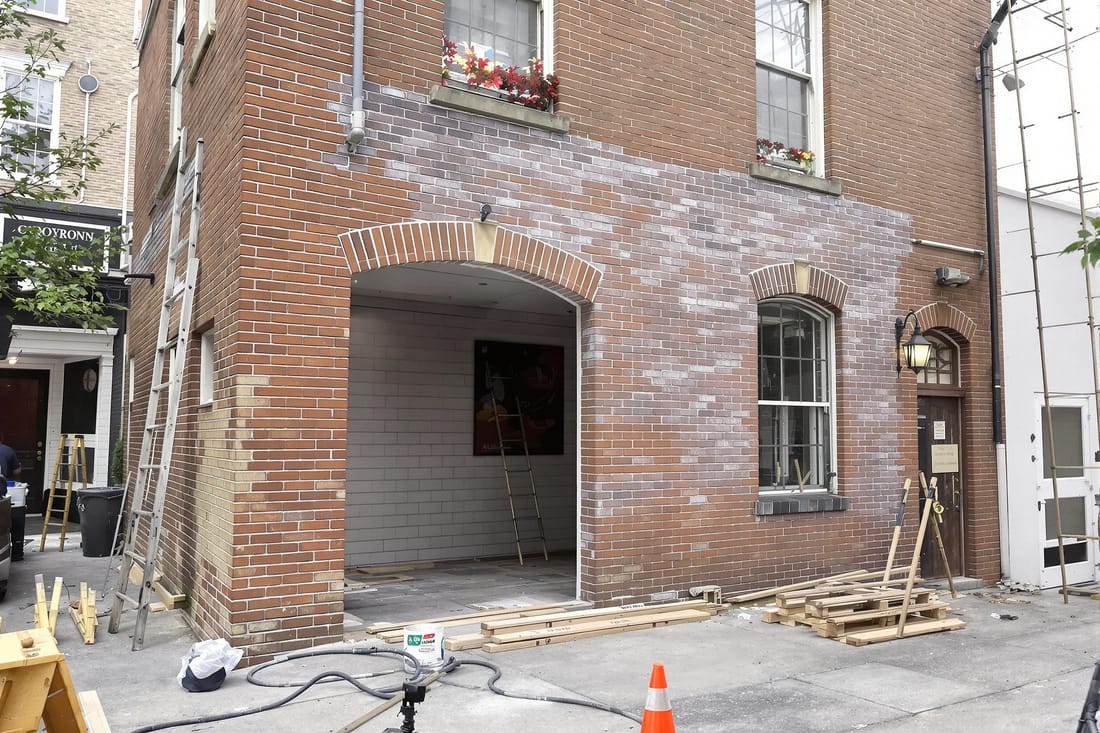
A big part of successful historic masonry restoration is making sure the repairs do not shout “patch job” from the street. Germantown Masonry spends real time on matching brick, stone, and mortar because Germantown and Memphis buildings pull from several different clay sources and sand types.
For brick, we look at size, color range, texture, and firing marks. Older Memphis brick is often softer and slightly irregular, which means modern stock brick from a big box store will not perform or look the same. We use regional suppliers and salvage yards to locate compatible brick or cut replacement faces from donor brick when full units are not necessary. For stone, we will identify whether you have local limestone, sandstone, or cast stone and match both the color and tooling marks.
Mortar matching is just as important. On historic homes we almost always move away from hard modern Type S or M mortars. Instead we use lime rich Type O or custom lime putty mixes that are softer than the brick. We test color using small sample patches, adjusting pigment, sand color, and joint profile until the new work blends with the existing wall. This keeps the masonry breathable in our humid West Tennessee climate and reduces the risk of future brick face popping in freeze and thaw cycles.
Step by Step: Our Historic Masonry Restoration Process
Every historic masonry restoration project with Germantown Masonry follows a structured process so you know what is happening on your property.
1. Inspection and documentation. We walk the entire building, photograph problem areas, take measurements, and note past repairs. If your property is listed or contributing in a historic district, we review any available drawings or guidelines so our work aligns with those standards.
2. Test panels and samples. Before we touch the main facades, we create small test areas. This might include a sample repointing area on a rear wall, a brick replacement test on a side elevation, or a cleaning test using the mildest effective method. You can review these areas in natural daylight and approve the look.
3. Careful removal of failed material. For repointing, we rake out deteriorated mortar by hand or with low vibration tools, usually to about 2 to 2.5 times the joint width. We avoid grinders on most historic brick because they can widen joints and scar the edges. For damaged units, we remove only the bricks or stones that are structurally compromised.
4. Installation of new mortar and units. We pre-wet the joints, pack in fresh mortar in lifts, and tool the joints to match the original style, whether it is concave, flush, struck, or raked. Replacement brick or stone is laid in the same pattern as the original. Joints are brushed at the right cure point to soften tool marks and blend with the older work.
5. Cleaning and final detailing. Once the mortar has cured, we lightly clean the area to remove smears without stripping the natural patina. If efflorescence or staining needs treatment, we use targeted cleaners and always test first. At the end, we do a walk through with you to verify that the new work ties in visually and that water shedding details are correct.
Local Conditions That Affect Historic Masonry in Germantown
The way masonry ages in Germantown is shaped by our specific climate and soils, and that has a direct impact on how we approach restoration.
Our hot, humid summers and relatively mild winters create a lot of moisture cycling in brick and stone. Walls get saturated with wind driven rain, then bake in the sun along Poplar Avenue or Germantown Road. If mortar is too hard or non breathable, that moisture gets trapped and starts to push off brick faces. Germantown Masonry selects mortars that allow vapor to move out of the wall so the masonry can dry between storms.
Clay heavy soils in this part of Tennessee commonly cause foundation movement. We see stepped cracking at corners, diagonal cracks above windows and doors, and gaps opening at chimney shoulders. Before we restore a cracked wall on an older house in Germantown East or Dogwood Grove, we look for active settlement. If the structure is still moving, we may coordinate with a foundation specialist or adjust our repair plan so we are not doing cosmetic work that will simply reopen.
Timing of the work matters too. For historic masonry restoration, the best windows in Germantown are generally late fall and early spring when daytime temperatures stay between roughly 45 and 80 degrees and the sun is less intense. Mortar cures more evenly, and there is less risk of rapid drying or heat cracking. In mid summer we may adjust start times, shade sensitive areas, or change mix water to keep curing under control.
Costs, Common Problems, and How We Prevent Surprises
Historic masonry restoration pricing is driven by access, how much material must be removed, and how closely we need to match existing finishes. At Germantown Masonry we go over these factors in plain language so you understand where your dollars are going.
Labor is usually the largest cost because most of this work is hands on. Repointing a simple garden wall at waist height is far faster than repointing a tall chimney that needs staging or lift equipment. Matching rare brick or custom pigmented mortar also adds time, but it protects the value and appearance of your property.
Typical problems we address include crumbling mortar joints, spalled brick faces, bulging or leaning sections of wall, loose stone caps, deteriorated chimney crowns, and previous “repairs” made with caulk or Portland heavy mortar. If we find hidden issues such as rotted embedded wood, rusted lintels, or unseen voids behind a brick wythe, we document them with photos and discuss options before changing the scope.
To reduce change orders, we perform sounding and probing during the estimate whenever possible. For example, if a section of brick on a historic storefront in old Germantown rings hollow when tapped, we allow for deeper rebuilding instead of only shallow repointing. Our written proposals spell out what is included, what is excluded, and what allowances we have made for potential concealed conditions, so there are fewer financial surprises during the job.
What to Know Before Hiring a Historic Mason in Germantown
Not every bricklayer is a good fit for historic masonry restoration. When you talk with contractors in Germantown, ask specific questions about their approach to older masonry, not just how many years they have worked with brick.
A qualified historic mason should be able to explain the difference between lime based and Portland based mortars and tell you which one they plan to use on your home and why. They should talk about test panels, sample joints, and mortar color matching, not just “we will make it close.” They should also understand local historic district or HOA expectations if your property falls under those rules.
Germantown Masonry encourages you to check past projects. We can point to restored chimneys, porch piers, and full facades in Germantown and surrounding communities so you can see how our work looks after a few seasons of weather. During estimates, we walk you through our step by step process, scheduling options, and how we will protect landscaping and hardscapes while we work.
Before the project starts, we recommend that you clear access paths, identify any irrigation lines near work areas, and share any leak history or old photos of the building if you have them. These details help us track water paths and understand how the structure has changed. With the right planning and a methodical approach, historic masonry restoration will not only correct today’s issues, it will also extend the life of your brick and stone for decades in our Tennessee climate.